
In a world where the startup landscape is more competitive than ever, Nafisah Wulandari has found her niche by merging passion with innovation. With AI driving many sectors, Wulan has established a standout place in the diamond industry, capitalizing on the growing demand for lab-grown diamonds.
Through Nutana, her venture launched in early 2024, Wulan is making high-quality, sustainable diamonds accessible to a new generation of consumers who seek both luxury and affordability in their jewelry choices.
Educating the Market on Lab-Grown Diamonds

Nafisah Wulandari is on a mission to reshape the diamond industry in Indonesia. Nutana, her brainchild, focuses on lab-grown diamonds, making luxury jewelry within reach for a broader audience. “I’ve always loved diamonds,” Wulan shared. “But owning them felt out of reach. Lab-grown diamonds changed that. They make it possible to feel confident and beautiful without breaking the bank.”
In Indonesia, where natural diamonds can cost upwards of 150 million rupiah for just a 1-carat stone, Wulan saw an opportunity. “Lab-grown diamonds are 90% cheaper. With just 3-6 months of saving, anyone can own one,” she explained. “They’re no longer just for the elite.”
Despite their affordability, lab-grown diamonds are still a relatively new concept in Indonesia. Wulan emphasized the importance of educating the market. “Many people ask if they’re fake. They’re not. They’re chemically, optically, and physically identical to natural diamonds, the only difference is how they’re made.”
Launching a business in this space hasn’t been without its challenges. “Capital requirements are high,” Wulan admitted. “But controlling quality is easier with lab-grown diamonds. We can ensure they meet the highest standards.”
Nutana’s Business Model
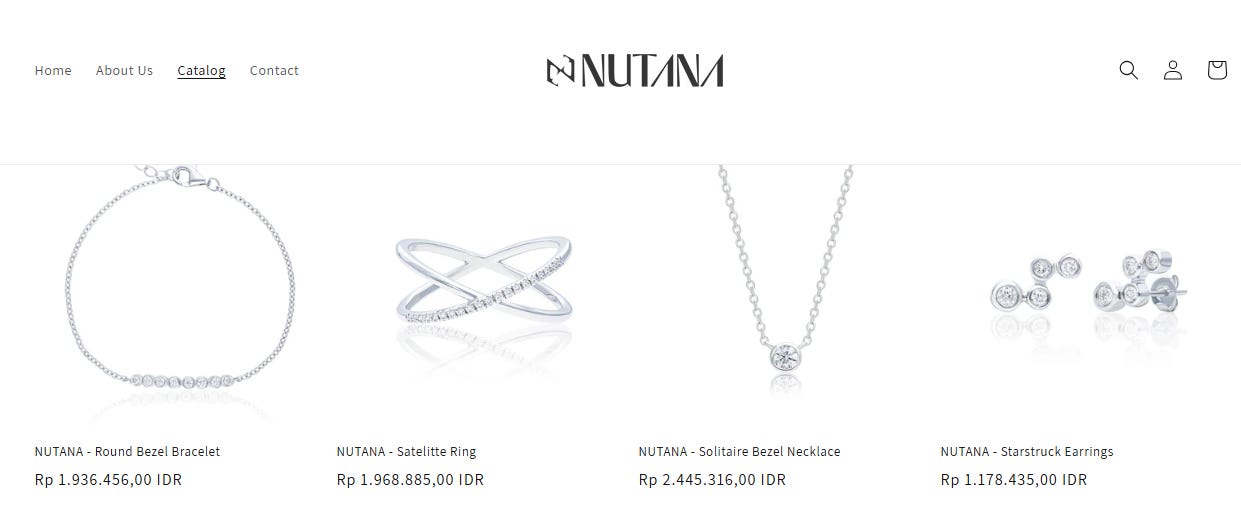
Nutana offers two primary product categories: custom-made engagement rings and ready-to-wear jewelry. Prices range from 500 thousand to 2.5 million rupiah for everyday pieces, while wedding sets start at 7 million rupiah. “A 1-carat diamond costs 13 million rupiah, much more affordable than natural diamonds,” Wulan explained.
Nutana’s model is centered on personalization. The company offers a unique, hands-on service where 3D designers collaborate closely with customers to create the perfect design. Only once customers are fully satisfied with the design does Nutana move forward with production. “We want to make sure every piece feels special,” Wulan said.
Nutana’s omnichannel strategy includes online platforms, TikTok live streams, and offline bazaars to reach customers across the board. “We’re blending accessibility with premium quality,” Wulan noted. As a result, Nutana has already gained significant traction, with customers in Jakarta, Surabaya, Bandung, and even Singapore. “We’re building a foundation now so we can scale as the market matures,” she added.
By entering the market early, Nutana aims to establish itself as a top-of-mind brand when demand inevitably grows. “We want to be ready when the demand grows,” she said. “Building connections with customers now is key.”
Investment vs. Lifestyle Choice

When asked whether lab-grown diamonds are an investment, Wulan made it clear: “Diamonds, whether natural or lab-grown, are not like gold, which often gains value over time. If you sell a diamond, you might only recover the value of the gold setting. Our focus is lifestyle, not investment. Buy diamonds to celebrate moments, not as a financial plan.”
Nutana’s goal is to democratize diamonds while still appealing to the premium segment. “Many of our buyers appreciate sustainability and ethical sourcing,” Wulan said. “We’re not trying to be like Starbucks. We want to be more like Kopi Kenangan, affordable but high quality.”
With her background in e-commerce at Tokopedia and Traveloka, Wulan was well-equipped to grow Nutana. “I learned how important data-driven decisions are. Agility and adaptability are key,” she emphasized.
As a solo founder, Wulan acknowledged the challenges of running a business alone. “Sometimes it’s tough not having someone to celebrate small and big wins with,” she said. “But decision-making is faster, and I can pivot quickly if needed.”
Nutana is currently managed by a small but effective team of five people, with Wulan insisting that the team’s productivity more than makes up for its size.
The Global and Indonesian Potential for Lab-Grown Diamonds
Globally, the lab-grown diamond market is experiencing rapid growth. According to Statista, the market was valued at USD 27.2 billion in 2023 and is projected to nearly double, reaching USD 59.5 billion by 2032. Market share is expected to grow from 14.3% in 2023 to over 21% by 2025.
In Indonesia, the synthetic diamond market is still in its infancy, but the potential is significant. ReportLinker projects that diamond imports will grow from USD 32.5 million in 2021 to USD 44 million by 2026. Ethical and environmental concerns are driving consumer interest in lab-grown diamonds, along with the rising demand for customizable jewelry.
According to a report by 6WResearch, the Indonesian diamond industry is characterized by a growing demand for diamond jewelry, especially in urban centers, driven by rising disposable incomes and changing consumer preferences. Trends are shifting toward lab-grown diamonds due to their ethical and environmental benefits, as well as an increased interest in custom-designed jewelry. Consumers are also paying more attention to the certification and origin of diamonds.
As awareness continues to grow, Indonesia holds significant potential for a more sustainable and affordable diamond market, catering to consumers who are seeking alternatives to traditional diamonds. Nutana, with its forward-thinking approach, is ready to play a key role in shaping this evolving market.





 Yenny Yusra Journal
Leave a comment