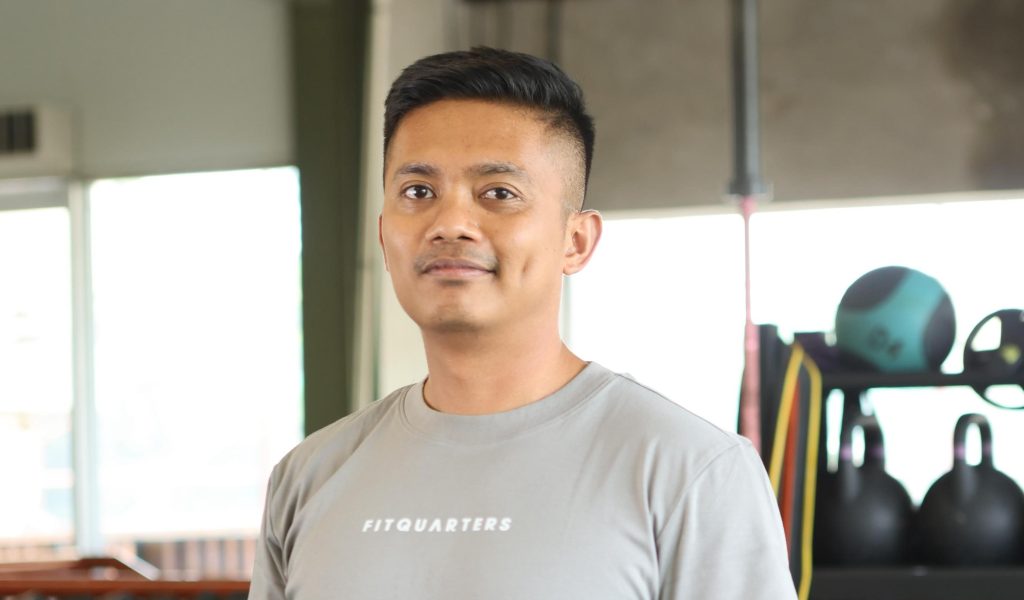
The fitness industry in Indonesia is experiencing rapid growth, with more people joining gyms, attending yoga classes, and hiring personal trainers. However, many fitness centers still rely on outdated manual processes, making management a significant challenge. Recognizing this issue, fitness enthusiast and entrepreneur Firman Ardiansyah created Fitquarters, a SaaS platform designed to streamline operations for gym owners, trainers, and members.
The Inspiration Behind Fitquarters
One of the biggest challenges in the industry is the lack of reliable data. Many gyms and studios operate informally due to high taxes, making it difficult to estimate the market size. Despite this, the demand for fitness services is undeniable.
“A lot of gym owners hesitate to register their businesses because of high costs, so the actual market size is hard to track. But we know the demand is there,” Firman explains.
Many smaller gyms until now still manage bookings via WhatsApp, track attendance on paper, and handle administrative tasks inefficiently. Firman saw an opportunity to create a SaaS solution tailored for these businesses. “A lot of gym owners were spending more time on admin work than engaging with their members. That’s where Fitquarters comes in, to let them focus on their community while we handle the backend.”
How Fitquarters Helps Gym Owners and Trainers
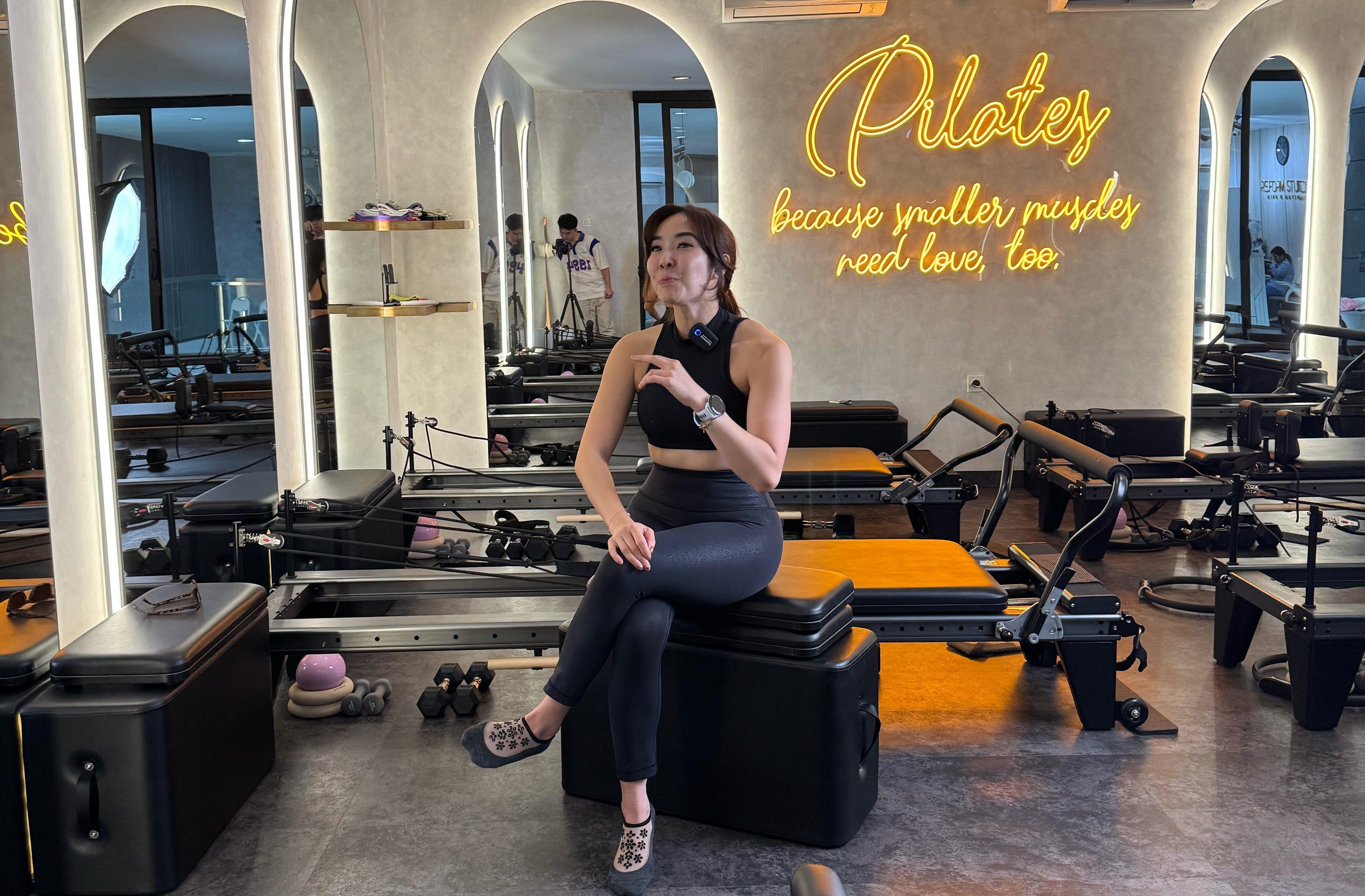
Fitquarters primarily serves small and medium-sized gyms and studios, but it also works with larger chains like ReFIT Indonesia. Boutique fitness studios, though smaller, often attract high-income members who prioritize convenience. “Boutique studios may look small, but their members have strong purchasing power. They’re willing to pay for better experiences, which is why an efficient system is crucial,” Firman says.
Beyond simplifying operations, Fitquarters helps gyms boost revenue. The platform provides valuable insights, such as notifying owners about expiring memberships and tracking popular classes. This data-driven approach helps owners make informed business decisions. “We make sure gym owners never miss renewal opportunities. They get automatic reminders and insights about their most profitable classes and trainers,” Firman adds.
Fitquarters offers two main tools:
- Business Dashboard: Tracks sales, bookings, staff productivity, transactions, memberships, CRM, payroll, and class management.
- Member App: Allows members to book classes and make payments seamlessly.
Additionally, Fitquarters supports personal trainers by offering tools to manage clients, track progress, and customize programs. Features like workout diaries and exercise trackers help trainers provide a better experience. “Trainers can manage everything in one place, workout programs, client progress, and scheduling. It’s a game-changer for independent trainers,” Firman emphasizes.
Market Reach and Business Model
Currently, Fitquarters relies on organic growth rather than paid marketing. “We haven’t done much paid marketing yet. We rely on word-of-mouth and referrals. We collaborate with gym owners for testimonials and leverage their networks. Most of our growth has been organic,” Firman explains.
The platform is available across Indonesia, from Aceh to Papua, with an entirely online onboarding process. “Our onboarding is fully online, so we don’t need to visit locations physically,” Firman says.
Fitquarters operates on a subscription model, with annual and monthly plans requiring a six-month minimum commitment. Pricing ranges from 12 to 18 million IDR per year, depending on the plan. The company also handles payments within the app using Midtrans Payment Gateway. “Yes, we use Midtrans Payment Gateway for transactions within the app, ensuring smooth and secure payments,” Firman adds.
Fitquarters operates as a bootstrapped startup, reinvesting its earnings into operations. “We’re bootstrapped and reinvest our earnings into operations. We currently have one engineer and several freelancers helping with system development and onboarding,” Firman shares.
Despite this lean model, Fitquarters has been profitable for the past three years. “We’ve been profitable for the past three years. Building a SaaS system isn’t too difficult if you identify the pain points and solve them effectively. Once you solve the problem for a few gyms, it scales easily,” Firman notes.
However, the biggest challenge is scaling distribution. While Fitquarters has achieved product-market fit, growth currently depends on word-of-mouth and referrals. Expanding into the B2C market will require significant funding. “Right now, our biggest challenge is distribution. We know there’s demand, but reaching more gym owners quickly is the next obstacles,” Firman admits.
To address this issue, Fitquarters plans to raise funds from venture capital. This is expected to help the company scale up its business by introducing new options for target clients and expanding into regional markets.
International Expansion and Beyond

Firman remains focused on growing the business while exploring potential expansions into e-commerce and a gym marketplace that offers multi-gym access through a single pass. “We’re thinking about ways to make fitness more accessible, whether through e-commerce or a system where members can visit multiple gyms with one membership,” he reveals.
The company is also eyeing expansion into markets like Thailand, Vietnam, and the Philippines, where fitness centers face similar operational challenges. “We’ve seen the same manual systems in other Southeast Asian countries, so adapting Fitquarters for those markets is a natural next step,” Firman shares.
Fitquarters aims to contribute to a healthier Indonesia by empowering gym owners and fitness communities. Unlike transportation or e-commerce, Indonesia’s fitness industry lacks a clear leader. Fitquarters seeks to fill this gap by providing essential management tools and data. “Our vision is to build a stronger fitness industry by giving gym owners the tools they need to succeed,” Firman states.
The Rise of Fitness Apps in Indonesia
The fitness app market in Indonesia is growing rapidly, mirroring global trends in digital health. By 2025, the Indonesian Digital Fitness & Well-Being market is projected to reach approximately $743.40 million, with a 7.49% annual growth rate (CAGR) from 2025 to 2029. The market is expected to hit $992.40 million by 2029. Globally, fitness apps are set to expand by $101.60 billion between 2024 and 2029, with a 24.2% CAGR.
User engagement with health and fitness apps is also on the rise. According to Statista,in 2023, SATUSEHAT Mobile led the Indonesian market with 7.5 million downloads, followed by Home Workout – No Equipment with 2.4 million downloads. This shift towards digital solutions presents significant opportunities for platforms like Fitquarters, enabling fitness businesses to align with evolving consumer behaviors and maximize growth.







 Yenny Yusra Journal
Leave a comment