As someone who’s chronically online, I didn’t expect my Smart TV home screen to join the marketing media. It used to show new Netflix and YouTube recommendations, but lately, it’s been full of Shopee BuyNowPayLater (BNPL) ads. At first, it felt strange. Why is my TV trying to sell me credit instead of content? Then I started getting promotional messages from Traveloka about its rebranded TPayLater, showing how they’re also pushing their installment service hard.
It made me stop and think. Maybe this isn’t just another wave of fintech ads. Maybe something bigger is happening, a shift in how people like me, and millions of Indonesians, think about credit.
Why PayLater feels more relevant than credit cards
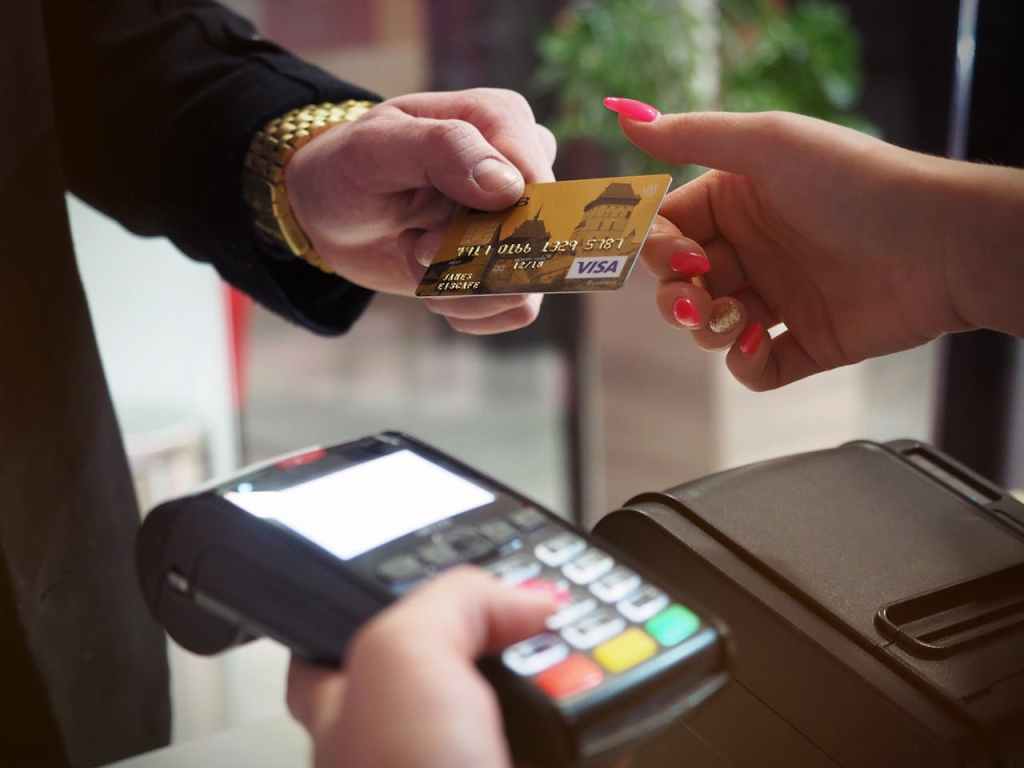
For years, credit cards have been seen as the “grown-up” way to manage money, a symbol of trust and financial stability. But in Indonesia, that idea never really took hold for most people. Credit card ownership is still relatively low because the requirements are strict, the paperwork is long, and the income criteria don’t always match how people actually earn today.
Many Indonesians, especially freelancers, gig workers, and small business owners, don’t have a steady monthly income, which makes getting a credit card difficult. PayLater fits better with this reality. You don’t need a long approval process. As long as you have valid ID, a smartphone, and a bit of transaction history, you can get short-term credit almost instantly.
The timing also makes sense. Indonesia’s mobile-first culture means most people already handle their finances through apps ordering food, paying bills, or topping up e-wallets. Adding PayLater into that mix feels natural. It’s fast, convenient, and fits the way people live.
From credit card holder to almost ex-credit card holder
I’ve had a credit card for years, and for a long time, it felt essential. But lately, I’ve been seriously thinking about cutting it up. When your income isn’t consistent, a credit card can start to feel more like a burden than a backup.
PayLater, on the other hand, feels less intimidating. It matches the financial flow for most Indonesians actually live with—short-term, flexible, and digital. It doesn’t replace the discipline needed to manage money, but it gives more breathing room when things get tight. That’s what credit cards used to promise but rarely deliver.
Can PayLater replace credit cards?
Maybe not completely, at least not yet. But it’s already changing how Indonesians think about credit. Credit cards are tied to status, paperwork, and traditional banking. PayLater is about access, convenience, and everyday needs. It’s credit designed for the digital generation.
For someone like me, who’s experienced both, it feels like a turning point. Credit cards offered a sense of control when my income was steady. PayLater offers flexibility now that it’s not. That shift says a lot about how our financial habits are changing.
Before I finally cut up my credit card, I remind myself that it’s not about choosing one over the other. It’s about understanding what actually fits the life I’m living now. Maybe that’s the real takeaway from this PayLater wave: credit should adjust to people, not the other way around.





 Yenny Yusra Journal
Leave a comment