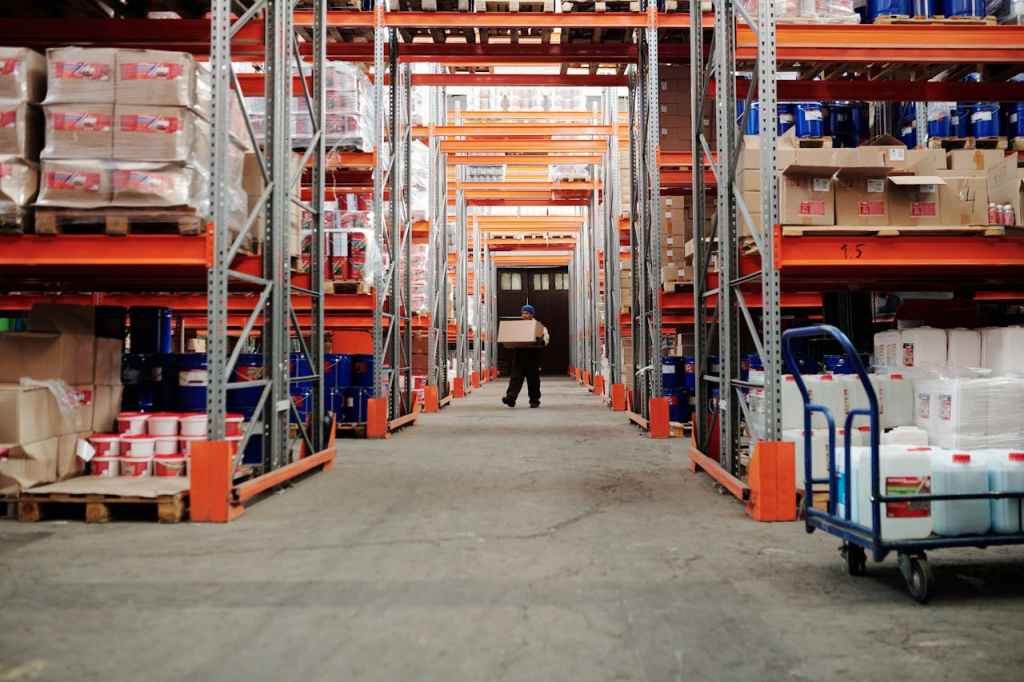
In my conversation with DeliverAI Indonesia CEO Widiatmoko, one thing stood out clearly: many logistics companies in Indonesia are still stuck in conventional ways of doing business. This makes it especially tough for them to make the leap into becoming AI-driven companies. At the same time, there’s a gap in the market, no tech or SaaS companies are offering customized AI solutions that are truly tailored for logistics players’ specific pain points and priorities. Most are still pushing broad, one-size-fits-all platforms designed for all industries or with the features that not really solving their real problems
Spotting this opportunity, DeliverAI was born with a mission: to help Indonesia’s supply chain and logistics companies adopt AI and transform into AI-driven enterprises. Unlike one-size-fits-all apps, DeliverAI builds customized AI Agents designed specifically to address the unique challenges of each logistics and supply chain business.
Turning Two Decades of Experience into a Tech Company

Widiatmoko has spent over 20 years in the logistics world, working across established companies and startups. Over time, his interest in AI grew, and eventually, he decided to build something that would combine his deep industry know-how with the power of artificial intelligence.
“I started building the company in November 2024. But we officially launched DeliverAI in February 2025,” he shared.
What pushed him to commit was the clear gap he saw in the industry: logistics players face countless challenges, yet no one seems to offer them the right tools to tackle their real problems.
“After learning more about AI, I realized the core problem in logistics is that every year companies are expected to move faster, deliver better, with more efficient cost, all at once. But no one’s providing solutions that hit all three,” Widiatmoko explained.
Why Generic SaaS Doesn’t Work for Logistics
For logistics managers, one key KPI remains the same every year: reduce costs while improving service. And yet, according to Widiatmoko, very few companies in the logistics space are actually using AI effectively. “Some are trying,” he said, “but the tools they use are usually horizontal, built without deep domain expertise. That’s a big problem.”
He also pointed out that most SaaS providers still fail to understand what logistics companies really need. “SaaS solutions are often too generic. They’re built for every industry, but logistics is different. You can’t use a one-size-fits-all approach here.”
Then there’s the challenge of AI implementation itself. Many logistics companies either adopt oversized solutions that don’t fit their needs, or they’re still stuck with manual processes.
“I kept thinking, why can’t AI be the answer to better, faster, and more cost-efficient logistics? That’s how DeliverAI started. Our vision is to be the go-to AI partner for logistics and supply chain players in Indonesia.”
A Consultative Approach, Not a Prepackaged Product

DeliverAI doesn’t come in pitching a ready-made product. Instead, they act as consultants first, helping logistics companies identify their pain points before offering tailor-made AI solutions.
“Our target clients are logistics and supply chain companies,” Widiatmoko explained. “Supply chains like Sociolla that run their own logistics ops, and operators like JNE or TIKI, those are the kinds of clients we’re here for.”
In fact, DeliverAI often starts small, focusing on a specific use case before gradually rolling out broader systems.
“For instance, with a company like JNE or TIKI, we might find out the operations team needs a smart dashboard to monitor performance. They want the data to not just report but recommend. So that’s what we build, and it becomes the starting point for deeper transformation.”
Each solution DeliverAI creates is designed based on the client’s actual operations. It could be AI-powered forecasting to replace manual methods, intelligent inventory systems, or smart automation tools. “There are still so many logistics businesses out there running things conventionally,” Widiatmoko said. “That’s where we come in.”
Monetization with Flexibility and ROI in Mind
While still early in its journey, DeliverAI already has a clear monetization strategy. It starts with consulting, then moves into training, and finally into AI software development. Clients can choose between licensing, subscriptions, or one-time purchases, whatever works best for them. “We’re flexible. We don’t push a product, we build the one they need,” Widiatmoko said. He’s also acutely aware of the financial dynamics of logistics companies.
Margins in this industry are tight, in courier express parcels for instance 3–5% is already considered common. So companies are extremely sensitive to price. Every company can’t offer an expensive solution with no clear ROI. To address that, DeliverAI always provides ROI calculations before any deal is signed.
“That’s our entry point. We show clients how much value they’ll get before they commit.”
Bootstrap First, Fundraise Later
He often hears the same question from prospects: “What can AI actually do for our logistics company?”
“By speaking directly with owners, most of whom are still running things the traditional way, I’m confident we can show them that AI isn’t just a buzzword. It’s a tool that can truly transform how they operate.”
For now, DeliverAI remains fully bootstrapped. Although they’re open to raising funds in the future, Widiatmoko says they want to be very intentional about how they use any new capital.
“We’re thinking about going VC-backed, but only when we know exactly what we’d use the funding for. Right now, we’re focused on getting real clients and delivering real impact.”
Indonesia’s Logistics Industry at a Crossroads
Indonesia’s logistics sector, while growing, remains complex and fragmented. With over 17,000 islands and a rapidly expanding e-commerce landscape, the demand for fast, efficient, and cost-effective logistics has never been higher. Yet, many local players are still operating with outdated systems, manual workflows, and siloed data. This results in inefficiencies, lack of visibility, and limited scalability, especially as customer expectations continue to rise.
This is where AI can play a game-changing role. By enabling smarter forecasting, real-time performance monitoring, and automation of repetitive tasks, AI can help logistics companies become more agile, more data-driven, and ultimately more profitable.










Leave a Reply