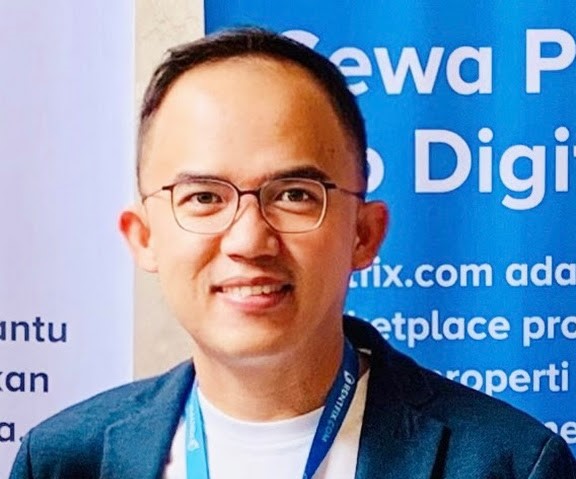
Indonesia’s property technology industry has grown over the last few years, but many people in the sector still believe the industry has not reached its full potential. One of them is Effendy Tanuwidjaja, founder and CEO of PT Real Estate Teknologi, the company behind Rentfix, BeliRumah.co, and Propfix.sg.
In an interview, Effendy shared his views on why Indonesia’s proptech sector is still relatively stagnant compared to neighboring countries. As someone who has spent years in the conventional property business before entering the startup world, he believes the biggest issues are still transparency and regulation, especially around property agents and access to information for buyers.
“At the end of the day, buyers should have enough information before making a decision,” Effendy said. “Right now, the information gap between buyers, developers, and agents is still too big.”
Rentfix’s Early Journey and Shift Into Coworking Spaces
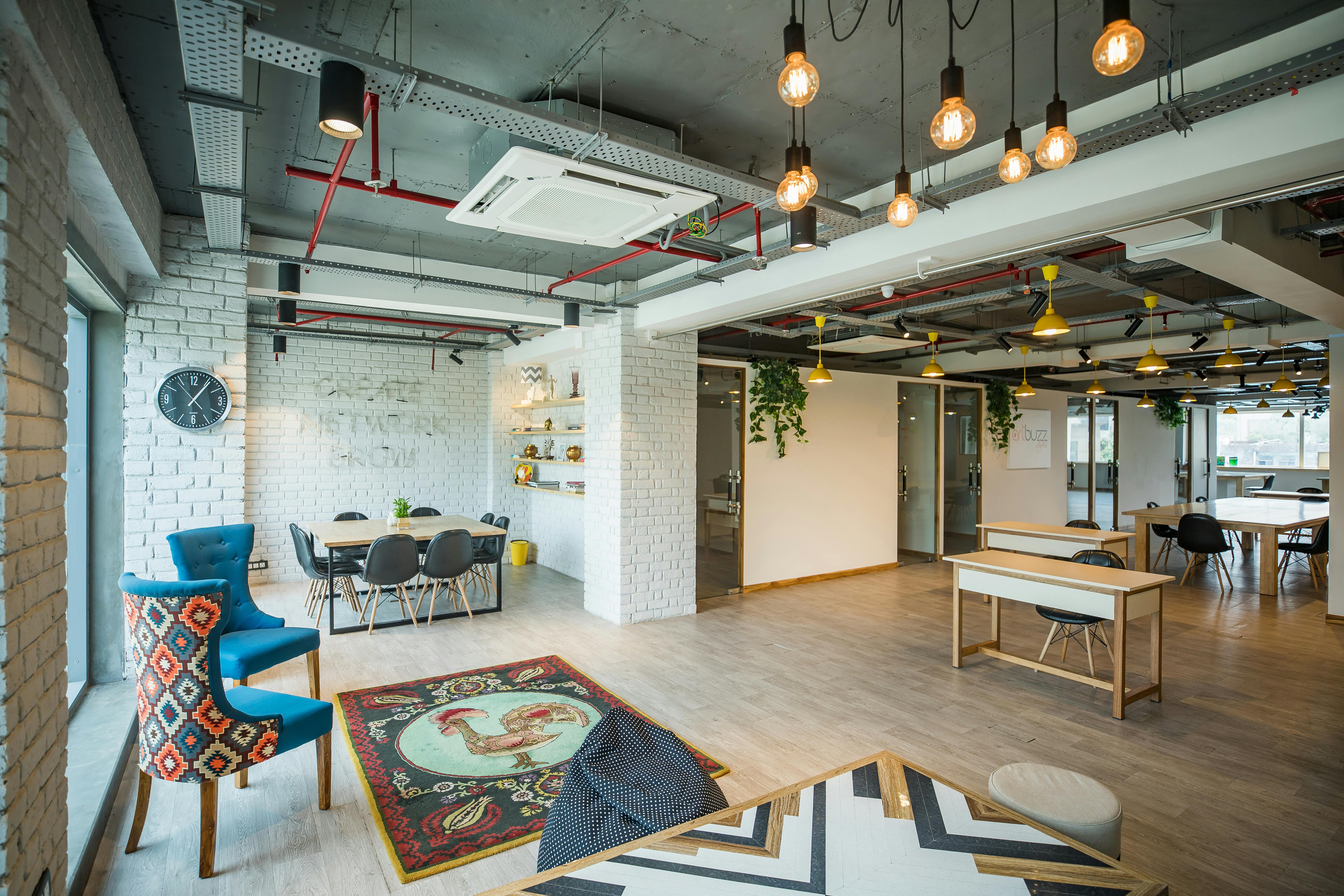
Rentfix was first established in 2017 and initially focused on rental services for commercial properties. The company began concentrating more seriously on warehouses, commercial buildings and rumah toko (ruko) after noticing many spaces remained empty for long periods.
Effendy explained that many landlords still preferred conventional rental systems. Ruko, office units often stayed vacant because owners waited for one tenant willing to rent the entire building under long-term agreements.
Rentfix originally wanted to change that model through digital booking and payment systems, similar to how Airbnb simplified short-term stays.
“We wanted people to rent buildings online with online payments and flexible rental periods,” Effendy explained. “But it was difficult because many landlords still wanted full payment upfront.”
The company also faced resistance from property owners who were not ready to adopt more flexible rental policies. Many landlords still preferred long-term contracts with strict payment structures.
Then the Covid-19 pandemic in 2020 unexpectedly opened new opportunities. During the pandemic, more companies began working remotely and searching for flexible office arrangements. At the same time, coworking spaces and office operators started looking for digital partners to help promote and manage their spaces.
“That was the turning point for us,” Effendy said. “Covid changed the way people worked, and suddenly flexible office space became much more relevant.”
Instead of focusing on becoming a rental e-commerce platform, Rentfix repositioned itself as an aggregator for coworking spaces and office rentals.
Helping Local Coworking Brands Grow Nationally
Today, Rentfix has partnered with around 150 coworking space and virtual office brands across Indonesia, including operators in smaller cities.
Effendy believes many local coworking operators actually have strong potential but lack access to technology and branding tools.
“We want local coworking spaces to have the opportunity to go national,” he said.
Beyond listings, Rentfix now offers SaaS-based technology solutions that allow coworking operators to use Rentfix’s booking system without building their own platform from scratch. The company also provides API integrations for partners.
According to Effendy, many smaller coworking operators only have one or two branches and cannot afford to develop their own digital infrastructure.
“They can simply use Rentfix technology for their booking process,” he explained.
The company is also preparing to integrate more artificial intelligence features in the future to personalize customer experiences and automate booking-related services.
Currently, Rentfix focuses mainly on coworking spaces, rented office buildings, and virtual offices.
Effendy also believes office buildings and coworking spaces will become more connected in the future.
“In the future, more office buildings will create coworking-style spaces themselves,” he said.
He pointed to examples where large office buildings divide one large office floor into smaller rental units for more flexible leasing.
Rentfix’s long-term goal is to become an aggregator not only for coworking spaces, but also for office buildings and apartments offering short-term or monthly rentals.
The company has also expanded into Singapore through Propfix.sg, which focuses on property rental and property sales.
Despite operating for years, Rentfix has never received venture capital funding and continues to run independently through bootstrapping.
“We are still bootstrapping until today,” Effendy said. “We may not be profitable yet, but we manage our operational costs carefully.”
BeliRumah.co Wants to Fix the Information Gap for Buyers
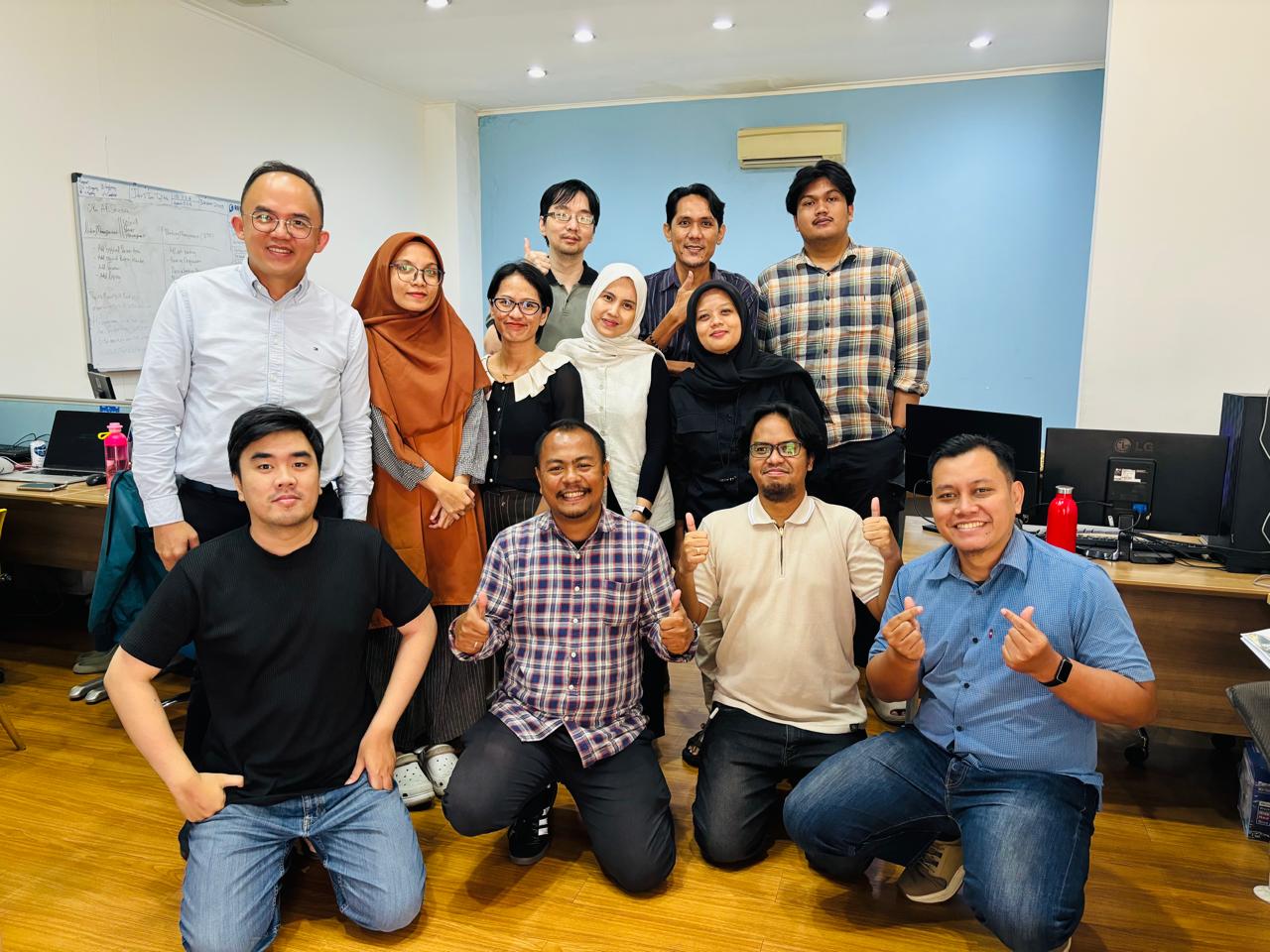
In 2023, Effendy and his team launched BeliRumah.co. Initially focused on primary property listings through partnerships with developers. After Rumah.com exited the Indonesian market in 2024, the platform expanded its focus into secondary property listings by working more closely with property agents.
Today, BeliRumah.co competes in the same space as platforms like Rumah123, Lamudi Indonesia, and Pinhome.
While the business model still involves classified property listings, Effendy said the platform’s main goal is solving problems faced by home buyers instead of simply selling ads.
“Our DNA is different,” he said. “We want to solve the problems people face when buying a home.”
Through partnerships with banks, the platform offers tailored mortgage recommendations. BeliRumah.co also introduced a rent-to-own feature, which Effendy says was among the first collaborations of its kind with BTN.
Effendy believes the current Indonesian property ecosystem still favors developers and agents because they control most of the information.
“Home buyers should be the main stakeholders, but in Indonesia they often have the least information,” he said.
He argues that buyers still struggle to access transparent information regarding land prices, permits, legal documents, and other important property details.
According to Effendy, this lack of transparency contributes to lower home ownership among younger generations.
“Many young people actually want to buy homes, but the information they need is not evenly distributed,” he explained.
For middle and upper-class buyers, access to information is usually not a major problem because developers already target those groups aggressively. However, middle and lower-income buyers often receive less support and less information.
Because of this, BeliRumah.co only works with curated developers that meet certain standards.
Effendy hopes the government and related institutions can improve transparency and provide better public access to housing information.
The company says it currently works with more than 100 developers in the Greater Jakarta area.
Besides listings, BeliRumah.co also offers online consultations for buyers. In the future, the platform plans to use AI technology to answer repetitive customer questions automatically.
The company currently earns revenue from two main sources: developer service fees and advertising fees from agents listing secondary properties. Around 3,000 agents currently list properties on the platform.
Why Property Agents Still Dominate Indonesia’s Property Industry

Effendy also believes property agents remain one of the strongest forces in Indonesia’s property market.
Unlike some neighboring countries, Indonesia still allows many freelance property agents to operate without formal licenses.
“Anyone can become an agent here,” Effendy said. “Students, housewives, freelancers. They can upload listings and start selling.”
According to him, this creates a huge number of agents with varying skill levels. Licensed agents from larger brands like Century 21 and Ray White often operate differently from freelance agents who mainly act as intermediaries.
Because agents control large numbers of listings and transactions, their influence in the property ecosystem remains very strong.
Effendy believes weak regulation is one reason why proptech adoption has slowed in Indonesia.
Another major challenge, he says, is generational resistance toward technology.
“Most property owners are still baby boomers who are not fully open to technology adoption,” he explained.
He estimates around 60 percent of property agents in Indonesia still come from older generations who prefer conventional sales methods.
Because many senior agents manage hundreds of property listings accumulated over decades, BeliRumah.co even offers special services to help them upload listing data into the platform.
Despite the challenges, Effendy said his company wants to maintain good relationships with property agents while also helping developers find alternative marketing channels through proptech platforms.
Building Proptech From Experience in Conventional Property
Effendy graduated from Singapore Management University with a degree in Information System Management before returning to Jakarta and entering the property industry in 2008, long before Indonesia’s startup ecosystem became crowded.
He said his interest in property came from personal experience while living in Singapore and later moving to Jakarta from Pematang Siantar.
“I realized how important housing is,” he said. “If you don’t own a home and only rent, you really feel the challenges.”
Effendy also sees property as one of the most important drivers of the economy because it affects many industries, from construction and materials to banking and financing.
After spending around 10 years in the conventional property business, he decided to enter the proptech industry to help modernize the sector.
Today, besides managing his proptech companies, Effendy also runs a conventional property development company called Eraprima Eftacipta Property.
“I have portfolios in both conventional property and startups,” he said. “I hope both can help support my passion to improve the property sector through digitalization.”
Looking Ahead
For Effendy, the future of Indonesia’s proptech industry depends heavily on two things: better regulation for property agents and greater transparency in property information.
He believes Indonesia has the potential to grow much faster in proptech, especially considering the country’s size and economic similarities with markets like Singapore and Thailand.
“If transparency improves and regulations become clearer, proptech in Indonesia can flourish much better,” Effendy said.
He added that home buyers should eventually have access to information that is at least equal to what agents and developers currently possess.
“Buyers deserve better access to information,” he said. “That’s the key if we want the industry to improve.”









Leave a Reply